· Research

Mariachi & The Brain

Exploring the neuroscience of traditional Mexican music using EEG

Exploring the neuroscience of traditional Mexican music using EEG

Mariachi music is the heart and soul of Mexican cultural identity — from rancheras that make you cry to sones that make you dance. This project uses EEG technology to explore how mariachi performance affects both musicians and listeners at a neural level.

Play
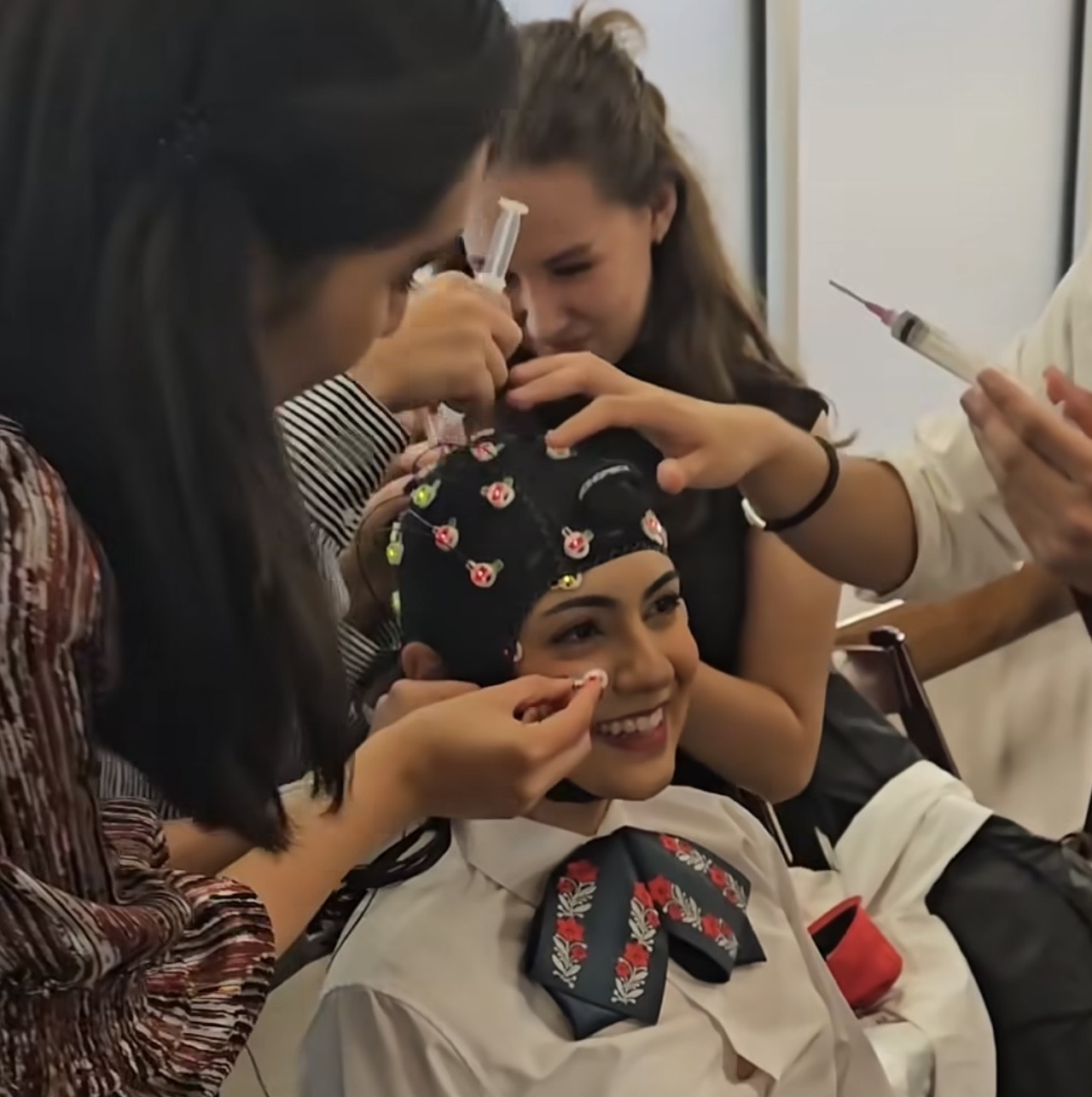
Setting up the EEG cap on a mariachi performer

Background: Mariachi Sana Sana

This project is connected to Mariachi Sana Sana, a Houston-based initiative founded by Stephanie Horton and Gail Aflalo — both pre-health students at the University of Houston. Named after a beloved Mexican nursery rhyme, Mariachi Sana Sana brings mariachi performances to nursing homes and memory care facilities throughout the Houston area.

Traditional music therapy often focuses on Western classical music, which may not resonate with Hispanic and Latino communities. By performing the mariachi music that many patients grew up with, Mariachi Sana Sana provides a culturally meaningful experience that sparks emotional connections, memories, and joy. What started with just 3 members has grown into a group of 12 high school and college students united by the power of music and memory.

Research Questions

  • How does playing/listening to culturally significant music differ from unfamiliar music?
  • What neural patterns emerge during emotional mariachi pieces?
  • Do shared cultural backgrounds create stronger brain synchrony between performers and audiences?
  • Can mariachi music be used therapeutically for Mexican/Latino communities?

The Music

We study brain responses to various mariachi styles:

  • Rancheras — Emotional ballads about love and loss
  • Sones — Upbeat regional folk music
  • Huapangos — Complex rhythmic patterns from the Huasteca region
  • Corridos — Narrative story-songs

Presentations

This research has been presented at multiple venues:

  • UMBC, Baltimore — EEG data collection during a live mariachi performance, June 2025
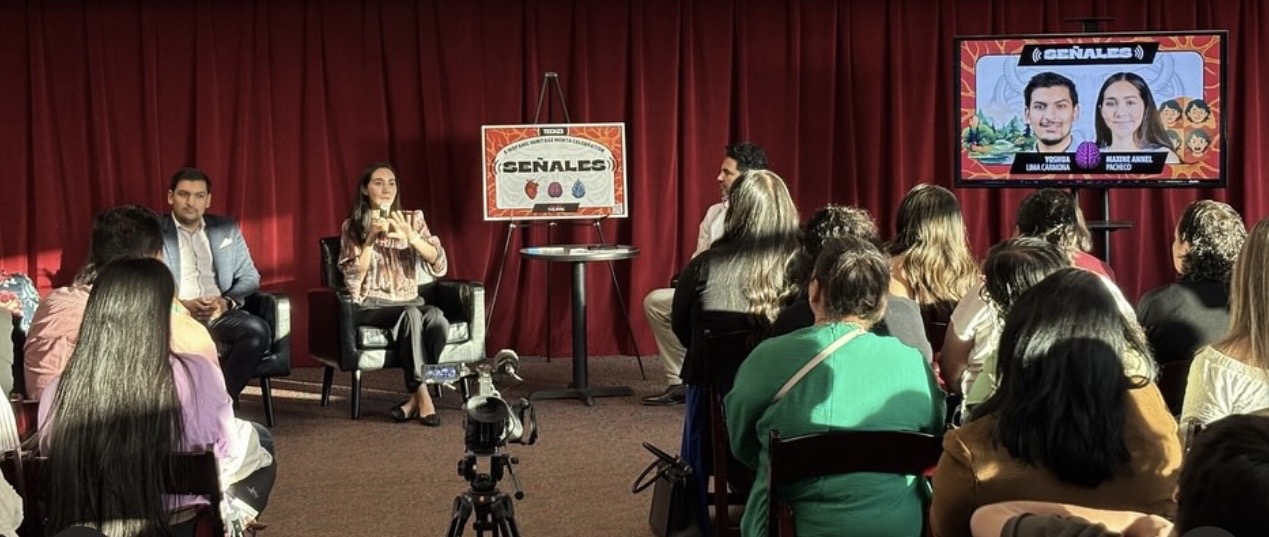
  • Señales at the Alley Theatre, Houston — Hispanic Heritage Month celebration, October 3, 2025, where we showcased the intersection of neuroscience and Mexican culture
Señales panel discussion at Alley Theatre for Hispanic Heritage Month
Maxine Annel at the Señales event, Alley Theatre

My Role

I was part of the team responsible for the EEG data collection set-up during mariachi performances. This involved preparing and configuring the EEG caps on performers, ensuring signal quality, and supporting the live recording sessions. I also contributed to presenting this work at UMBC in Baltimore and at the Señales event in Houston.

Impact

This research contributes to the development of culturally-sensitive neuroscience and demonstrates how music deeply rooted in a community’s heritage can be used as a therapeutic tool — bringing moments of connection, memory, and joy to people living with dementia.

Back to Projects