 Maxine Annel
· Research
Balinese Rhythms
Taking mobile EEG from Houston to Bali to record brain activity during a live gamelan and dance performance
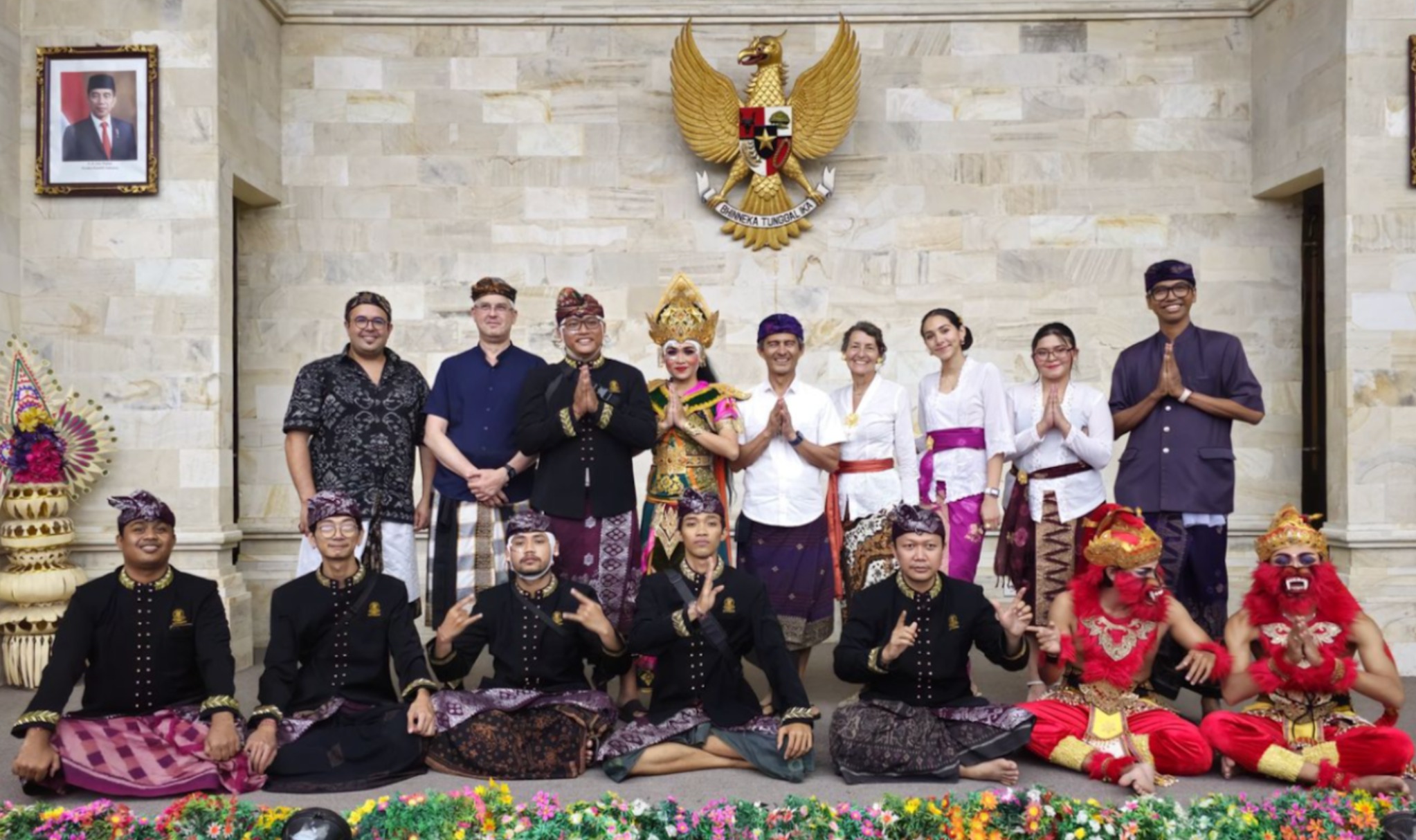
In June and July 2024, a mobile brain imaging setup traveled from the University of Houston to Bali, Indonesia. The goal was simple to describe and demanding to carry out: record brain activity from performers during live gamelan music and dance, in the place where these traditions are practiced, not in a laboratory.
The Performance
On July 6, 2024, the Neuroscience Gamelan and Dance Performance took place at the Faculty of Medicine of Universitas Udayana in Denpasar. Musicians and researchers from both sides of the world came together for an event that was part concert, part live experiment.
Research in the Field
Recording EEG outside the lab means working with what the setting gives you: a new venue, a different language, and live audience. The team set up and ran mobile EEG recordings on site, working side by side with Balinese colleagues to capture high-quality data during the performance itself.
Partner Institutions
- University of Houston, BRAIN Center (USA)
- Rice University (USA)
- Universitas Udayana (Indonesia)
- Institut Seni Indonesia (ISI) Denpasar (Indonesia)
In the News
- Pentas Neuroscience Gamelan dan Tari untuk Meneliti Reaksi pada Gelombang Otak (Mata Dewata, 2024)
- Pertama di Bali! Penelitian Lintas Budaya Neuroscience pada Gamelan dan Tari Bali (Bali Express, 2024)
- Rice’s Medical Humanities Research Institute is aiming for a paradigm shift in medicine (Rice News, 2024)
What Came Next
The dataset has since been presented in several posters, and a data descriptor is currently in progress.